一、Product description:Superfine glass wool is made from natural ores such as quartz sand and limestone as the primary raw materials, combined with soda ash and borax to form glass melt. In the molten state, it is spun into fibrous ultrafine glass wool through centrifugal or flame-assisted blowing. After collection, laying, and special dry-forming processes, the glass wool mat is produced.
二、Product Features:1.Safe, green and environmentally friendly
White color, no impurities or any binders: small fiber diameter, uniform length, low dispersion: no slag balls, soft touch: no impact on human health.
2.Excellent insulation and acoustic properties
Fiber is soft, with a large specific surface area and strong sound absorption and insulation capabilities. A1 grade non combustible material, low thermal conductivity, excellent heat resistance and thermal resistance, with a maximum operating temperature of up to 600 ° C.
3.Stable and reliable long-term performance
The fibers are tightly interwoven, with excellent vibration resistance: strong chemical stability, and functional characteristics will not deteriorate after long-term use.
三、Typical Applications:·Home appliance insulation
·Light steel building
·roof insulation
·Large commercial complexes, villa interiors, and acoustics
·HVAC/fresh air system
Ship hull
·High speed train, aviation mezzanine, etc
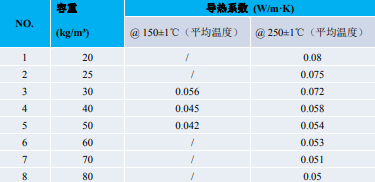
四、Main performance1、thermal conductivity
2、comprehensive parameters
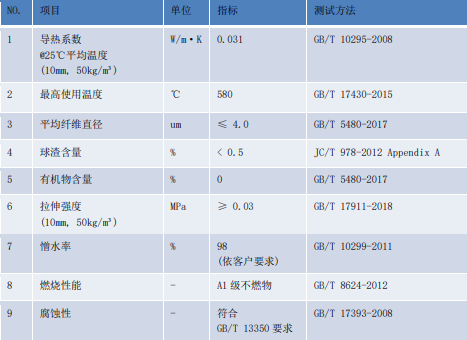
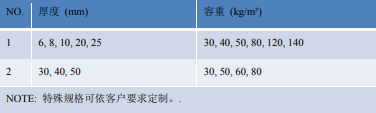
3、Product Specifications
 五、Eco-Certification
Meet environmental testing requirements such as RoHS/REACH。
六、General precautions1、Storage: Ventilated, cool and dry place, pay attention to moisture prevention, recommended storage temperature of 5 ° C-35 ° C
2、Stacking, squeezing, heat sources, fire sources, direct sunlight or rain should be avoided


